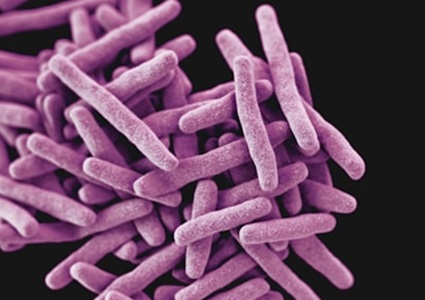
Microbiology Society: First Evidence of WHO ‘Critical Priority’ Fungal Pathogen Becoming More Deadly When Co-Infected With TB
23 February 2026
Microbiology Society press release
Cryptococcus neoformans, a pathogen fungi responsible for 112,000 deaths in 2020, is increasingly found in patients alongside the bacterial pathogen Mycobacterium tuberculosis. In a paper, published in the Journal of Medical Microbiology, researchers identify for the first time that interaction between the two microorganisms contributes towards worsened disease outcomes in those co-infected.
Cryptococcus neoformans is one of four fungi classified as ‘critical priority’ on the World Health Organization (WHO)’s Fungal Pathogens Priority List, which was published in October 2022.
Increasing evidence shows that co-infection of Mycobacterium tuberculosis together with Cryptococcus neoformans is a grave public health concern, increasing the risk of death significantly compared to fungal infection alone.
What the researchers found: in the presence of mycobacteria, the fungus changed its cell density, cell diversity, and capsule size – a protective outer membrane that surrounds the cells of the fungus. Some of these changes are known to increase the fungus’ harmfulness to its infected host, pointing to how co-infection could lead to worse clinical outcomes.
Read the full press release here.
Source: Microbiology Society